Why Are Farms Particularly at Risk?
Today’s farms are increasingly automated, with many systems operating 24 hours a day, 7 days a week. While automation improves operational efficiency and reduces the need for constant monitoring, it is not without risks. Equipment can be subject to electrical overload or technical failures that may increase the risk of fire.
How Can Prevention Solutions Help Reduce the Leading Causes of Farm Fires?
1. Electrical Failures
Electrical failures are among the leading causes of fires in agricultural operations, accounting for more than 40%* of all fires. Farm electrical systems are frequently exposed to harsh conditions, including moisture, combustible dust, ammonia, and vibrations generated by equipment. These factors accelerate the deterioration of electrical components and increase the risk of overheating, short circuits, and, ultimately, fire.
2. Mechanical Equipment and Agricultural Machinery
Mechanical equipment such as motors, fans, conveyors, automated feeding systems, and other machinery can generate heat, produce sparks, or experience failures that may ignite combustible materials present in farm buildings. Failures of mechanical equipment are also among the leading causes of fires in the agricultural sector.
Why Does Equipment Overheat?
Heat is often caused by:
- An overload (the equipment draws more current than expected).
- A loose or damaged electrical connection.
- A motor working harder than normal due to a mechanical issue.
- A faulty cooling fan.
- A worn bearing.
- A buildup of dust or debris.
- Phase imbalance in a three-phase system.
Equipment often shows warning signs before a fire occurs.
Summary
To help prevent overheating, equipment failures, and unexpected shutdowns, monitoring systems usually rely on several complementary indicators:
- Amperage (current): helps detect overloads and abnormal variations in power consumption.
- Temperature: quickly identifies overheating conditions.
- Voltage: highlights anomalies related to the electrical power supply.
- Power and energy consumption: reveal reduced performance or loss of equipment efficiency.
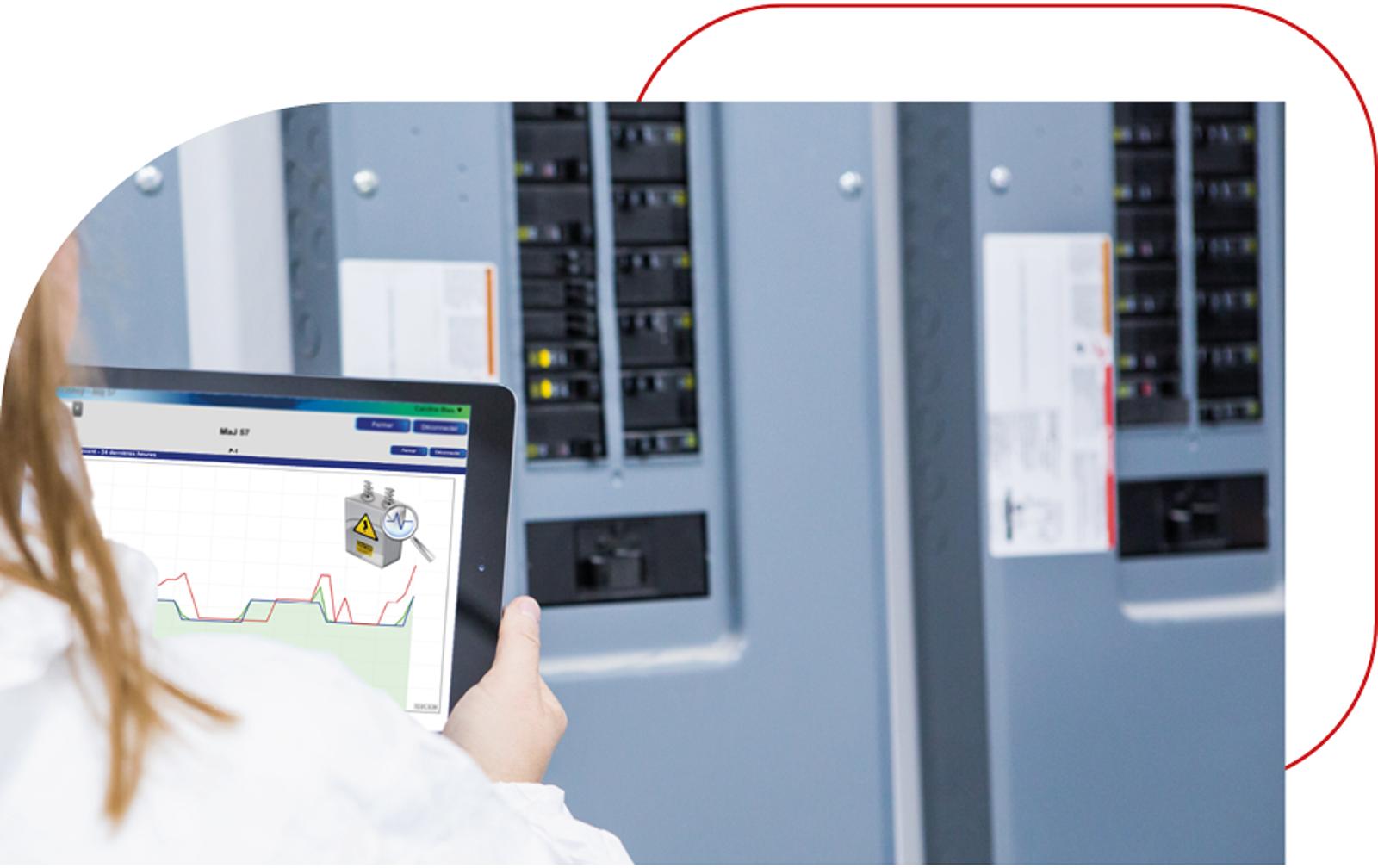
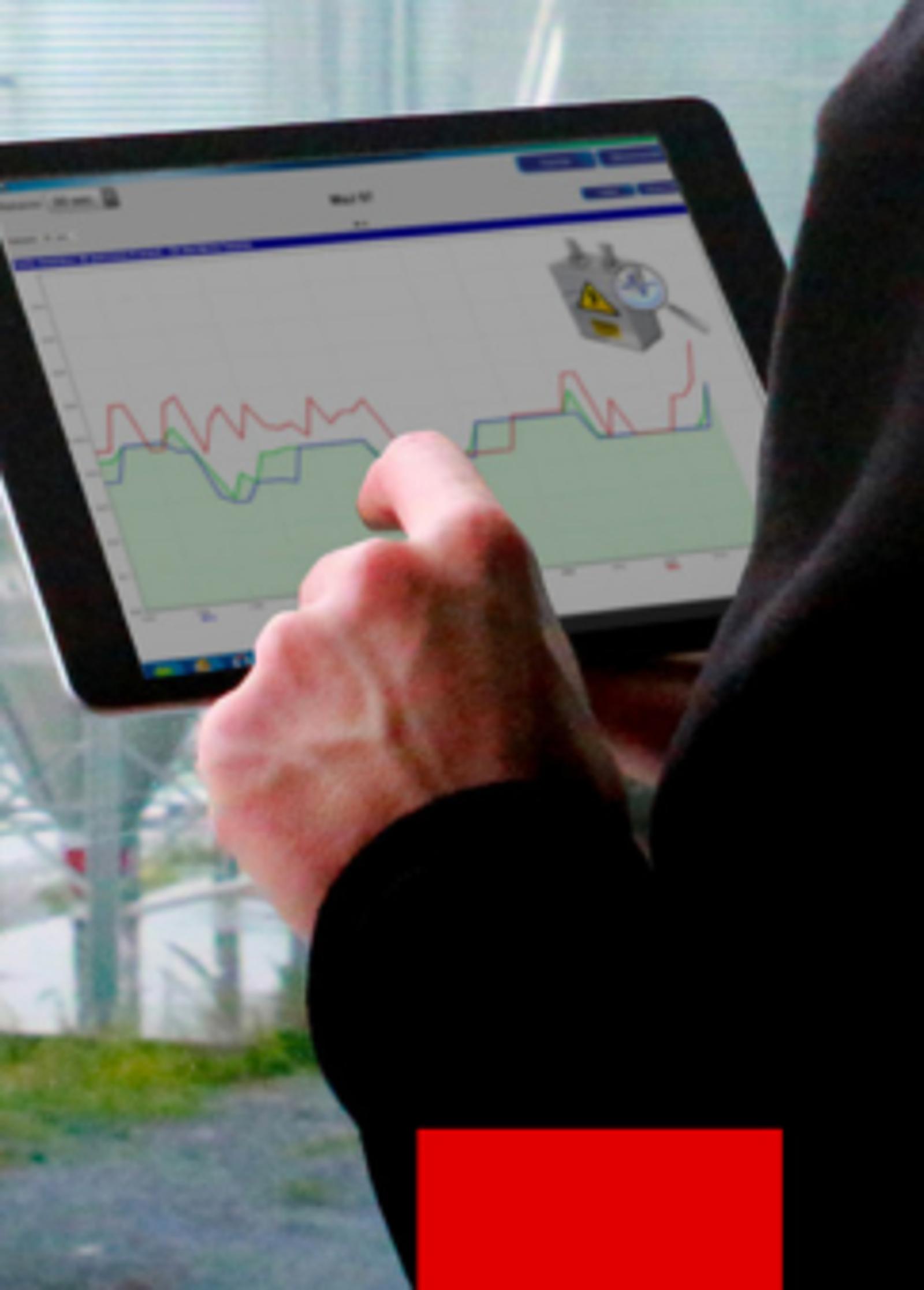
- Trend analysis over time: helps identify early warning signs of failure, which are often more informative than a single point-in-time measurement.
The combined interpretation of this data provides a more comprehensive view of equipment health and supports the implementation of an effective preventive maintenance strategy.
*Source: Ontario Government - Electrical systems in barn